How Much Does Home Theater Installation Cost in New Jersey?
Key Takeaways
- Home theater installation cost in New Jersey depends on room size, equipment level, wiring complexity, and whether you choose DIY or professional installation.
- Basic living room systems with a soundbar and TV mount cost far less than fully custom, high end dedicated home theater rooms with acoustic treatments, automation, and tiered seating.
- Wiring, room preparation, and labor are the most underestimated additional costs in a home theater budget; plan for them before choosing equipment.
- Most homeowners spend between $500 and $3,500 for surround sound installation, while full home theater projects can range from $1,000 to $65,000 depending on scope.
- Contact Audio Video Concepts in Sparta, NJ at (973) 917-9032 for a free in-home consultation and custom estimate.
How Much Does a Home Theater Installation Cost?
Home theater installation costs range from $1,000 to $65,000. That spread exists because a simple TV wall mount with a soundbar in a Sparta living room and a fully wired, multi-speaker home theater with a projector and riser seating in a finished basement are fundamentally different projects. There is no flat rate.
The variables that drive cost include AV equipment selection, room type, wiring needs, and labor. Labor rates for professional AV installers in New Jersey range from $50 to $175 per hour, and permits for electrical work can cost between $50 and $1,000 depending on the municipality. These NJ-specific factors differ from national average cost figures, which is why local quotes from companies like Audio Video Concepts produce more accurate estimates than generic online calculators.
Most homeowners should think in terms of a total home theater budget covering equipment, installation, wiring, and additional costs like furniture, lighting, and acoustic treatments. Audio Video Concepts has been designing and installingcustom home theatersacross Sussex and neighboring counties since 1997 and offers free in-home estimates to help you define realistic cost ranges before committing.
Basic vs. Mid-Range vs. Custom Home Theater Systems
Home theater systems fall into three general tiers. Each tier represents a different balance of equipment count, installation complexity, and room preparation. Here is what each level typically includes:
| Feature | Basic | Mid-Range | Custom / High End |
|---|---|---|---|
| Display | Wall-mounted TV | 4K OLED TV or short-throw projector | Projector with fixed screen |
| Audio | Soundbar or 3.1 speaker package | AV receiver with 5.1 surround sound speakers | Dolby Atmos with height speakers, multiple subwoofers |
| Wiring | Minimal; surface or short concealed runs | In-wall and in-ceiling speaker wire runs | Fully concealed wiring with conduit for future upgrades |
| Room prep | None or minor | Basic acoustic treatment (panels, rugs) | Full acoustic treatment, sound isolation, lighting control |
| Seating | Existing furniture | Upgraded seating | Multi-row seating with risers |
| Control | TV remote + streaming device | Universal remote | Smart home integration with app/voice control |
Audio equipment costs for home theaters average between $250 and $1,400 at the component level, but the total rises fast when you add more speakers, a better subwoofer, and a dedicated AV receiver. A basic 5.1 system is budget-friendly compared to a high-end Dolby Atmos setup, which can range from $3,000 to $10,000 or more. Equipment quality influences overall installation costs at every tier.
Custom home theaters often require acoustic treatments and soundproofing that basic setups skip entirely. Audio Video Concepts can mix elements from each tier to match a client's budget and priorities; for example, pairing a mid-range AV receiver with in-wall speakers in a multipurpose family room.
Factors Affecting Installation Costs
Several technical and room-related choices directly affect home theater installation cost. Here are the key factors:
Room size and shape.Room size affects installation costs due to equipment and wiring needs. Larger rooms require more speakers for even sound distribution, more powerful amplifiers for adequate sound, and longer cable runs. Installation costs vary based on room size because a small room might need a 5.1 system while a large basement calls for 7.1 or Atmos with height channels. Room shape can complicate soundproofing and layout adjustments; L-shaped rooms or vaulted ceilings add complexity that square rooms avoid.
Existing infrastructure.Existing infrastructure and room conditions can affect installation expenses. Older New Jersey homes with plaster or finished drywall walls require more labor to run low-voltage cable cleanly. During new construction, pre-wiring is faster and cheaper because walls are open. Retrofitting a finished room means fishing wires through insulation and patching drywall afterward.
Speaker count and surround format.Adding height speakers for formats like Dolby Atmos introduces extra speaker locations, cable runs, and professional calibration time, all of which add complexity and cost. Each additional channel means another amplifier channel, another wire pull, and another mounting point.
Permits and electrical work.In New Jersey, running new electrical circuits may require municipal permits. Permits can cost between $50 and $1,000. Dedicated circuits for AV equipment, relocated power outlets behind mounted TVs, and surge protection all fall into this category.
Specialty items.Acoustic treatments, sound isolation, custom cabinetry, and equipment racks add both material and labor cost. Additional features can add $150 to $2,000 for lighting control alone. Share room photos or plans with Audio Video Concepts during the first consultation so the team can flag cost drivers early.
Equipment and Labor Costs
AV equipment typically makes up the largest material portion of a home theater budget, while labor covers the skilled work that turns a pile of components into a functioning system.
AV equipment checklist:
- TV or projector (a 4K TV installation generally costs between $800 and $3,000)
- Screen (fixed or retractable, for projector setups)
- Surround sound speakers (front, surround, and height channels)
- Subwoofer
- AV receiver or processor
- Streaming devices and source components
- Surge protection and power conditioning
- Control system (universal remote or smart home integration)
Labor checklist:
- System layout planning and design
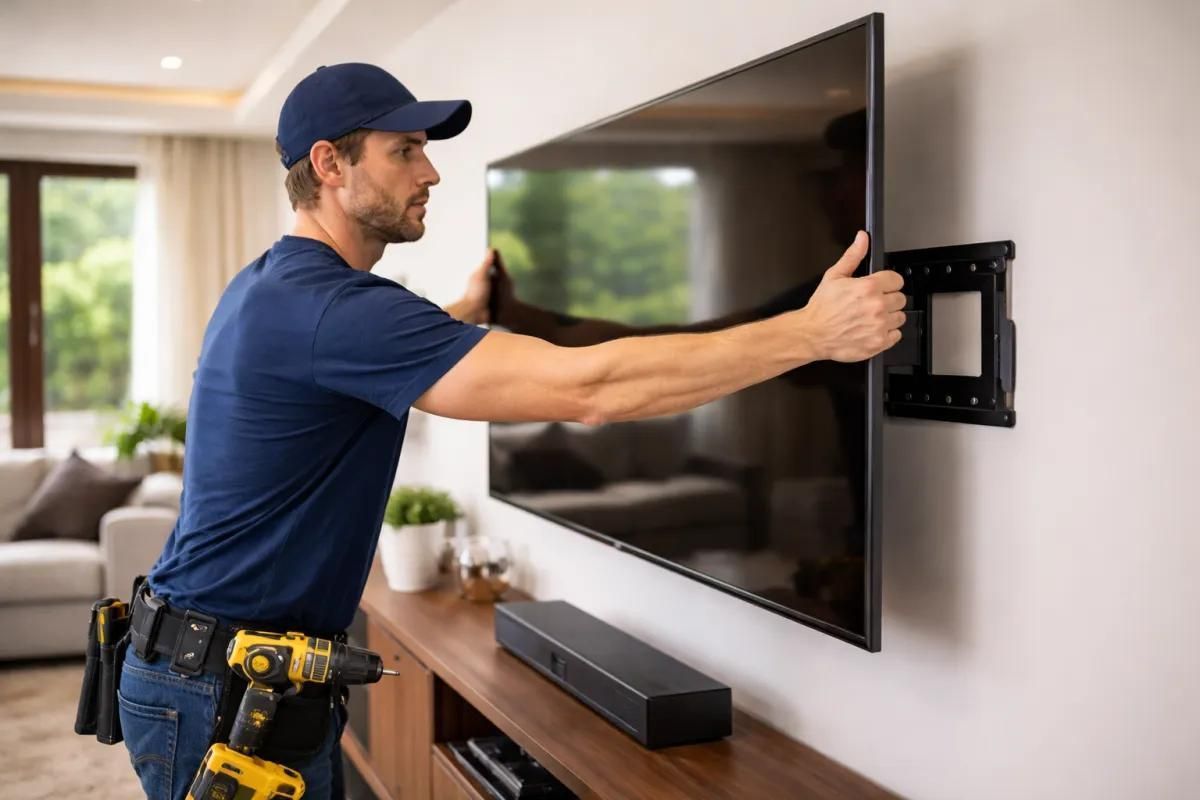
- Mounting the TV or projector to the wall or ceiling
- Installing and positioning speakers for optimal speaker placement
- Running and terminating cables (speaker wire, HDMI, network)
- Programming remotes and control apps
- Professional calibration of audio and video
Labor costs for home theater installation range from $50 to $150 per hour, with NJ metro-area rates reaching $175 per hour for complex jobs. The price difference between an entry-level AV receiver and a high-performance model can be $1,000 or more, even though the labor to install either one is similar.
Audio Video Concepts helps homeowners choose AV equipment that fits the specific room's acoustics and seating layout, rather than defaulting to the most expensive components. Professional calibration and neat wiring are part of what professional installation delivers: better reliability and easier use over many years.
Home Theater Wiring and Room Preparation
Wiring is often underestimated in home theater budgets. It is the hidden portion of installation costs that catches homeowners off guard when the final estimate arrives.
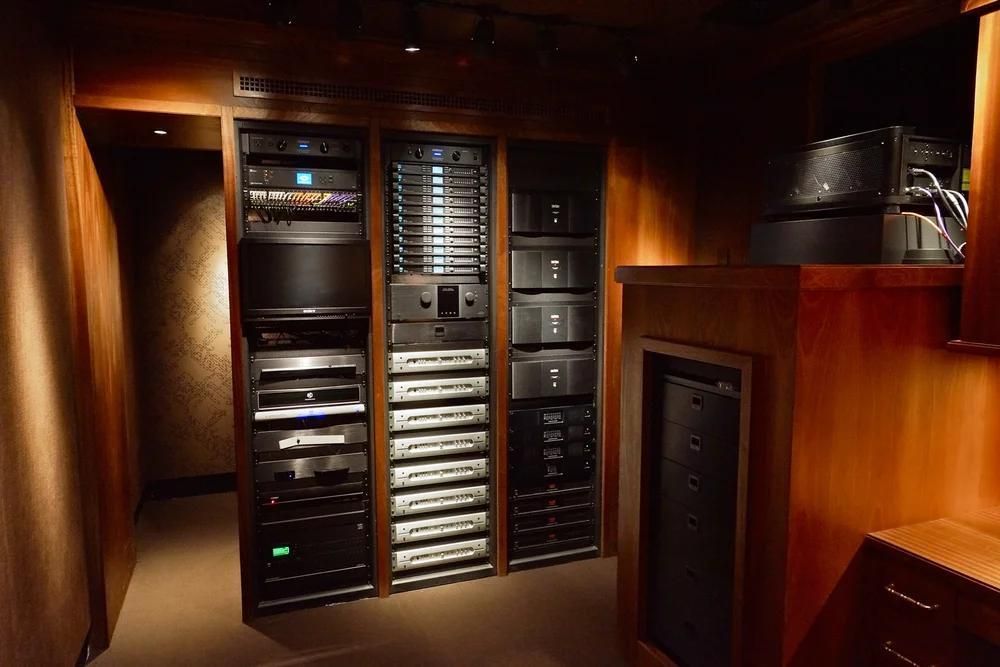
Common wiring tasks include in-wall speaker wire pulls, HDMI and network cable runs, conduit installation for future upgrades, and clean terminations at the AV rack and wall plates. Working in finished rooms costs more thanpre-wiring during new constructionbecause every cable must be fished through closed walls without damaging insulation, plumbing, or electrical lines.
Room preparation goes beyond wiring. Confirm power outlet locations, consider dedicated circuits for AV equipment, install blocking for heavy TV wall mounts (a 75-inch TV on a full-motion mount puts real load on drywall alone), and plan ventilation for enclosed AV racks that generate heat.
Acoustic treatment rounds out room preparation. Panels, bass traps, rugs, and curtains can be simple off-the-shelf items or custom-designed solutions. Even modest treatments improve clarity and reduce bass buildup in a specific room.
Dedicated Theater vs. Living Room Setup
A dedicated home theater room and a multipurpose living room serve different purposes and carry different price ranges.
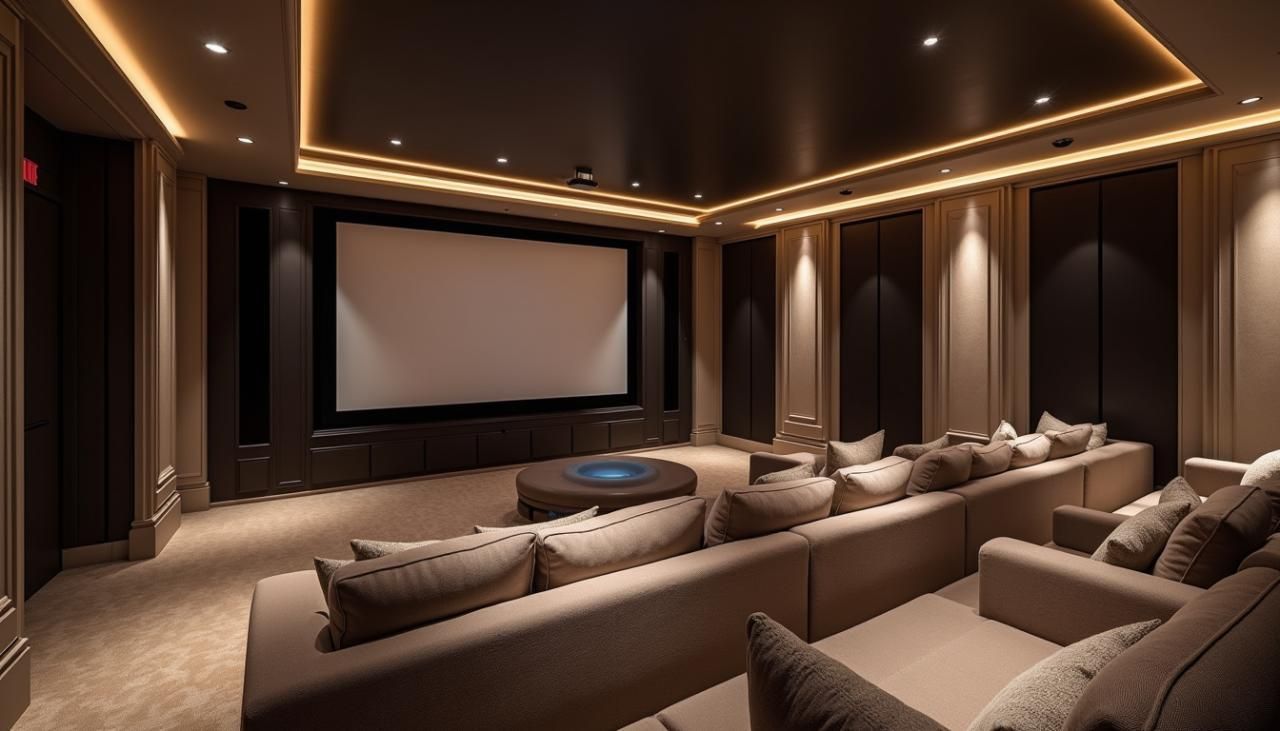
Home theaters focus solely on viewing films and shows. They recreate a movie theater atmosphere at home with a projector, fixed screen, surround sound system, controlled lighting, and a door that closes for sound isolation. Multiple rows of seating, full speaker layouts (including height channels), and acoustic treatments are standard. These features push home theater installation costs higher due to extra wiring, construction work, and materials.
A media room accommodates music, gaming, and VR experiences alongside movie watching. Media rooms often include gaming consoles and VR setups in an open-concept or shared living space. Living rooms use wall-mounted TVs, more discreet in-wall or in-ceiling speakers, shared lighting, and existing furniture. The trade-off is design compromise: speaker placement and screen size may not be ideal, but careful setup with an AV receiver still delivers solid performance for smaller spaces.
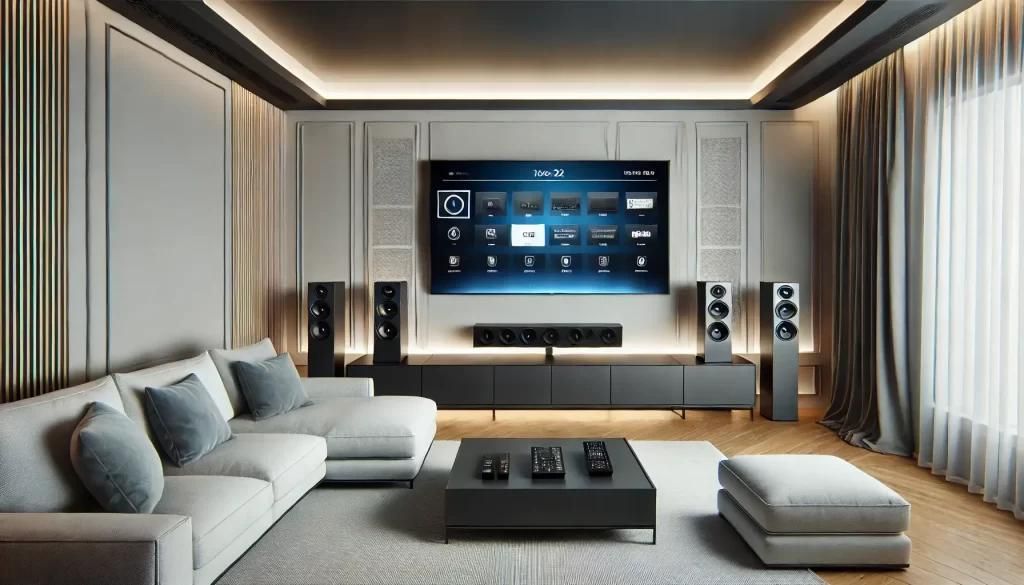
Browse real project photos on theAudio Video Concepts gallery pageto compare dedicated home theater and living room installations side by side.
DIY vs. Professional Home Theater Installation
DIY home theater installation works for basic systems: plugging in a soundbar, setting up a 2.1 speaker package on stands, or connecting a streaming device. No in-wall wiring or heavy mounting required.
DIY advantages:
- Lower cost (you pay for equipment only)
- Flexible timing; buy components as budget allows
DIY challenges:
- Safely mounting large screens to walls without proper blocking risks equipment damage and drywall repair
- Fishing wires through insulated walls without experience leads to hours of frustration
- Matching surround sound speakers to an AV receiver requires understanding impedance and channel configuration
- Incorrect electrical work can lead to failed inspections and costly corrections
- Troubleshooting hums, dropouts, or format issues without diagnostic tools wastes time
Professional installation benefits:
- Code-compliant wiring that passes municipal inspection
- Concealed cabling for a clean entertainment space
- Optimized speaker placement based on the specific room geometry
- Intuitive remote control programming and system integration
- A single point of contact for ongoing support
Most homeowners spend more correcting DIY mistakes than they saved by skipping professional help. For systems involving in-wall or ceiling speakers, multiple zones, custom control apps, or advanced home theater rooms, professional installation is the practical choice.
Home Theater Budget Planning and FAQs
A home theater budget works best when you plan it in stages rather than picking equipment first and hoping the installation fits what's left over.
Budget planning checklist:
- Decide the room and primary use (movies, sports, gaming, music)
- Set a comfortable total cost you can commit to
- Allocate portions: display, speakers and subwoofer, AV receiver and sources, wiring and labor, room furnishings
- Prioritize foundational items (wiring, speakers, AV receiver, display) before optional extras; upgrading components later is easier than re-wiring a home theater room
- Leave 10-20% buffer for surprises
Commonly overlooked additional costs:
- Blackout shades for projector rooms
- Surge protection and power conditioning
- Network upgrades for 4K streaming
- Equipment racks and ventilation
- Comfortable seating
Schedule a free in-home consultation with Audio Video Concepts via thecontact pageor by calling(973) 917-9032to get started.
Many New Jersey homeowners ask similar questions when planning a home theater installation cost and design. Here are the most common.
How should I start planning my home theater budget?
Define how the space will be used and how many people it should seat. Choose a target total spend and divide it roughly into categories: display, speakers and subwoofer, AV receiver and sources, wiring and labor, and room furnishings. Prioritize items that are hard to change later, like wiring routes and speaker locations, before investing in cosmetic upgrades. Industry experts consistently recommend locking in infrastructure first.
Can I upgrade my system in stages to control costs?
Yes. Start with proper wiring and a solid AV receiver, then add more speakers, a better subwoofer, or a projector and screen later. Pre-wiring extra speaker locations and conduit during the initial install keeps future upgrade costs down. Audio Video Concepts often designs systems with future expansion in mind, so homeowners are not locked into their first set of components.
Do I need a separate AV receiver, or is a soundbar enough?
A soundbar works for basic setups in living rooms or a small room where simplicity is the priority. An AV receiver becomes important when you want true surround sound, multiple HDMI sources, more power for speakers, or support for advanced audio formats. Homeowners who love movies, sports, or music in a medium to large room will almost always prefer an AV receiver-based home theater system.
How do acoustic treatments affect my budget?
Acoustic treatments scale from a few well-placed panels and soft furnishings (a few hundred dollars) to fully custom-designed wall and ceiling treatment systems. Even basic treatments reduce echoes and improve dialog clarity without a large cost increase. Audio Video Concepts can recommend practical, good-looking acoustic solutions that fit a homeowner's style and budget.
What's the next step if I'm ready to get a quote?
The process starts with a phone call, followed by a free in-home consultation where Audio Video Concepts reviews the dedicated room or living space, discusses goals, and walks through equipment options. You receive a written, itemized estimate showing how much of the home theater installation cost goes to AV equipment, labor, and any additional costs like wiring or acoustic treatment. Request an appointment through thecontact pageor call(973) 917-9032. The team is local to Sparta, New Jersey, and has served homeowners in the area since 1997.
Recent Posts